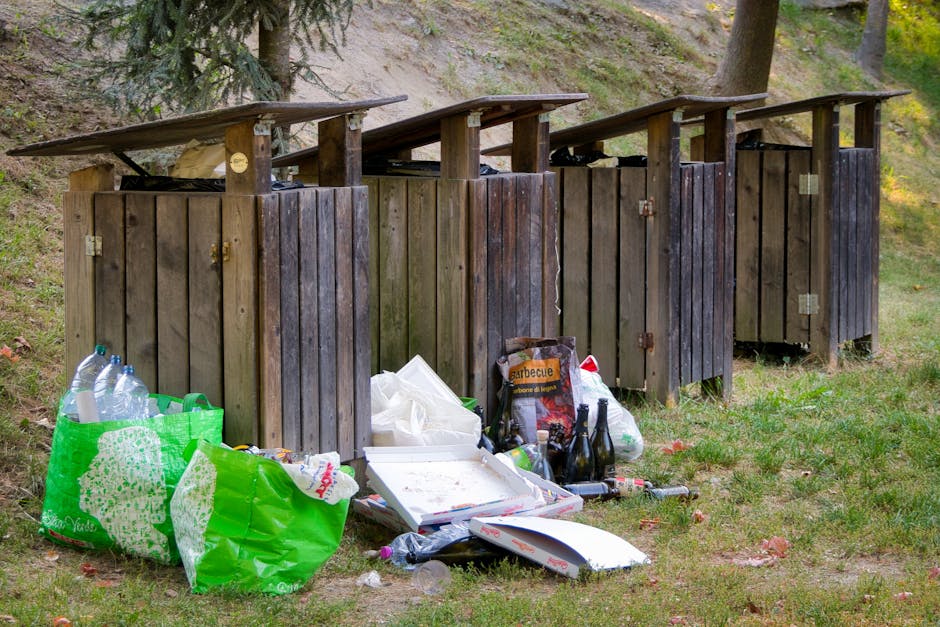
Emergency fly tip rubbish clearance Wimbledon quick response
Fly-tipped rubbish has a way of turning an ordinary day into a headache very fast. One minute the pavement, alleyway, driveway, or communal area looks fine; the next, there's a pile of broken bags, old furniture, rubble, or builders' waste sitting where it shouldn't be. If you need Emergency fly tip rubbish clearance Wimbledon quick response, the real priority is simple: get the mess removed safely, quickly, and in a way that does not create a bigger problem later.
This guide explains what emergency fly tip clearance involves, why speed matters, how the process usually works, and what to look for when arranging a rapid removal in Wimbledon. It also covers practical checks, legal and compliance considerations, and a few useful tips that can save time, stress, and awkward surprises. To be fair, when rubbish is blocking access or attracting attention from neighbours, you don't want a long-winded answer. You want a plan.
As you read, you'll also find related services that may help if the fly tip is mixed with household waste, furniture, builders' debris, or garden waste. In some cases, a broader service such as waste removal or even builders' waste clearance can be the cleaner, quicker route.
Table of Contents
- Why Emergency fly tip rubbish clearance Wimbledon quick response Matters
- How Emergency fly tip rubbish clearance Wimbledon quick response Works
- Key Benefits and Practical Advantages
- Who This Is For and When It Makes Sense
- Step-by-Step Guidance
- Expert Tips for Better Results
- Common Mistakes to Avoid
- Tools, Resources and Recommendations
- Law, Compliance, Standards, or Best Practice
- Options, Methods, or Comparison Table
- Case Study or Real-World Example
- Practical Checklist
- Conclusion
- Frequently Asked Questions
Why Emergency fly tip rubbish clearance Wimbledon quick response Matters
Fly tipping is not just untidy. It can block paths, make access difficult for residents or businesses, and create safety risks for anyone passing by. Sharp objects, nails, broken glass, syringes, leaking liquids, and unstable piles of waste can all be part of the mix. If the waste sits for too long, it can also spread, especially if bags are split by weather, animals, or just the general chaos of an exposed site. Lovely.
In Wimbledon, where many streets have a mix of homes, flats, local businesses, garages, and managed estates, speed matters because rubbish can affect more than one property at once. A small pile on a shared access road can quickly become everyone's problem. And if the waste is left near a frontage or entrance, it can create a poor first impression that is hard to ignore.
There's also the practical side. Emergency removal is often needed when waste is:
- blocking an entrance or fire route
- creating a hazard for children, customers, or delivery drivers
- spreading into a garden, yard, or communal bin area
- mixed with items that might attract pests or unpleasant odours
- causing complaints from neighbours or tenants
The quicker the response, the less likely the situation is to become messy, embarrassing, or expensive to resolve. Sometimes speed is the difference between a straightforward clearance and a half-day clean-up with extra sorting. Let's face it, nobody wants to be the person dragging soggy bin liners off a pavement at 8am.
How Emergency fly tip rubbish clearance Wimbledon quick response Works
The process is usually more direct than people expect. A quick-response fly tip clearance should begin with a short assessment, then a plan for safe removal, loading, transport, and disposal. The main point is not just taking rubbish away. It is taking the right rubbish away, in the right way.
Here's how it normally works in practice:
- You explain the situation clearly. Give the location, the type of waste, and whether access is tight, shared, or time-sensitive.
- Photos help a lot. A few clear images usually make it easier to judge volume, hazard level, and the right vehicle or crew size.
- The clearance is scheduled quickly. For urgent jobs, timing may depend on access, traffic, and what needs to be removed safely.
- The waste is removed and sorted. Reusable items, recyclable materials, and general waste may need to be separated.
- The site is left tidy. A proper job does not stop at loading the van. The area should be checked for stray debris and leftover fragments.
That said, emergency jobs can vary. A pile of bagged rubbish is one thing. A heap of mixed builders' rubble, soaked cardboard, old furniture, and sharp scrap metal is another. Mixed waste takes more judgement and, sometimes, more time. A good service will be honest about that from the start.
If the fly tip includes bulky items or furniture, it may overlap with furniture clearance or furniture disposal. For garden overflow or outdoor dumping, garden clearance can also be relevant.
Key Benefits and Practical Advantages
Quick-response fly tip clearance is about more than speed. Speed matters, yes, but only when it is paired with safe handling and proper disposal. The real benefits are practical.
- Immediate hazard reduction. Removing rubbish quickly reduces trip risks, sharp-object injuries, and access issues.
- Better appearance. A cleared entrance, driveway, or frontage can dramatically improve how a property feels.
- Less disruption. The longer waste stays in place, the more it interferes with residents, staff, or customers.
- Cleaner compliance trail. Using a professional service helps ensure the waste is dealt with responsibly rather than simply moved around.
- Less stress for the property owner. You don't have to organise bags, vehicles, lifting, sorting, and disposal yourself.
There is also a quieter benefit that people overlook: peace of mind. If you know the rubbish will be gone soon, the rest of your day is easier. You can answer emails, open the shop, or get on with the school run without glancing out the window every five minutes. Small thing, maybe. But very real.
Where emergency fly tipping affects a business, fast action may sit alongside business waste removal or office clearance if the area includes work premises or commercial overflow.
Who This Is For and When It Makes Sense
Emergency clearance is not just for big incidents. In Wimbledon, it is often the right choice for ordinary people facing an unexpectedly awful mess. Homeowners, landlords, managing agents, small business owners, and tenants all end up needing it sooner or later.
This service makes sense when:
- the rubbish is outside and needs immediate removal
- the waste is too large, heavy, or unpleasant for a DIY approach
- you suspect hazardous material is mixed in
- you need the site cleared before trades arrive, a viewing, or an inspection
- the waste is affecting multiple households or a shared area
For landlords and agents, speed can be especially important between tenancies or after a tenant leaves items behind. If the problem extends indoors, a broader flat clearance, home clearance, or house clearance may be a better fit. And if the mess is tucked away in a loft or garage, those spaces can sometimes be the hidden source of a much larger rubbish issue, rather annoying really.
It also makes sense when your own time and safety are limited. If you don't have the right vehicle, gloves, bags, lifting support, or disposal route, trying to clear fly tip waste yourself can become a half-finished job that drags on for days.
Step-by-Step Guidance
If you need a fast response, a little preparation goes a long way. Here's the most sensible way to handle it.
- Check the area from a safe distance. Do not touch anything sharp, leaking, or obviously contaminated.
- Take a few photos. Capture the scale of the waste, the access route, and any items that may need special care.
- Make a short list of what is there. Mixed waste, furniture, rubble, soil, bagged rubbish, and broken household items should all be noted.
- Clarify access. Stairs, narrow gates, parking restrictions, and shared entrances all matter.
- Ask for a clear time window. Emergency work should be prompt, but you still want to know what to expect.
- Confirm disposal and site tidy-up. The job should include removal, loading, and responsible disposal, not just shifting waste out of sight.
- Inspect the area afterwards. Look for splinters, bottle fragments, loose screws, or smaller debris that may have been hidden under the main pile.
One useful detail: if you think the fly tip contains construction debris, broken fixtures, plasterboard, or timber offcuts, say so early. That can save everyone time. A job that starts as "just a few bags" and ends with a van full of rubble is nobody's favourite surprise.
If the problem is linked to renovation work, builders' waste clearance is often the closest match. For larger or repeated clear-outs, waste removal may be the broader service to consider.
Expert Tips for Better Results
There are a few things that consistently make emergency fly tip removals smoother. Nothing dramatic. Just the kind of detail that saves time and awkwardness.
- Be exact about access. A "small alley" can mean very different things to different people.
- Separate obvious hazards if it is safe to do so. But only if you can do it without touching sharp or contaminated material.
- Keep pets and children away. This sounds obvious, but people do forget in the rush.
- Ask whether a swept finish is included. A quick clearance that leaves splinters and shards behind is only half the job.
- Tell the provider if there are licences, permits, or parking constraints nearby. London streets can be a bit of a puzzle.
Another practical tip: if the waste is likely to be recycled, it helps to mention that upfront. A responsible team will often sort salvageable materials where possible, which can reduce unnecessary disposal and keep the job cleaner overall. That aligns well with the principles covered on recycling and sustainability.
And honestly, a photo of the waste taken in daylight usually beats a vague late-night description every time. You don't need a masterpiece. Just a clear picture.
Common Mistakes to Avoid
Fly tip clearance goes wrong most often because people try to rush the wrong part. The urgency is real, but cutting corners rarely helps.
- Do not assume everything is ordinary rubbish. Fly tips often contain hidden sharp items, liquids, or contaminated waste.
- Do not burn or move the waste yourself without thinking it through. That can create safety and legal issues.
- Do not leave it half-cleared. Partial removal can still leave hazards behind.
- Do not choose a provider only on speed. Fast is good, but safe and compliant is better.
- Do not forget access details. A quick job can slow down badly if the vehicle cannot park or the crew cannot reach the pile.
Sometimes people also underestimate how bulky "messy looking" waste can be. A few collapsed wardrobes, damp bags, and a bit of rubble can fill a van faster than expected. That is just how it goes. The pile looks modest until it's at the kerb.
Another mistake is ignoring what happens after the clearance. If the source of the fly tipping is ongoing-shared tenants, a broken bin system, or a recurring dumping spot-you may need a more durable solution, not just one-off removal.
Tools, Resources and Recommendations
You do not need a van full of specialist equipment to request emergency clearance, but a few simple things make the process far easier.
- Phone camera for clear photos of the waste and access route
- Notes app for a quick list of materials, hazards, and timings
- Basic site access information such as gate codes, parking restrictions, or loading points
- Gloves and sturdy footwear if you need to stand near the area before help arrives
- Bin bags or containers only for very light, safe, separable waste, and only if it is practical
If the rubbish is part of a bigger clear-out rather than a pure fly tip incident, you may find it useful to look at garage clearance or loft clearance. Those services can be handy when dumped items come from overfilled storage areas, old furniture stacks, or a long-postponed clean-up. We've all seen that corner of a garage where one box quietly becomes twelve.
For property owners who want a service overview before booking, pricing and quotes can help frame expectations, while contact us is the practical next step when the rubbish needs immediate attention.
Law, Compliance, Standards, or Best Practice
Emergency fly tip rubbish clearance is one of those jobs where good practice really matters. In the UK, waste should be handled by a responsible carrier and taken to an appropriate disposal or recycling route. You do not need a legal lecture in the middle of a mess, but it is wise to know that simply shifting rubbish around is not the same as disposing of it properly.
Best practice usually includes:
- safe handling of waste, especially if it may contain sharps or contaminated material
- clear separation of recyclable and non-recyclable items where practical
- proper transport and disposal rather than fly tipping the waste again elsewhere
- care with site safety, parking, manual handling, and public access
- reasonable documentation or proof that the waste has been dealt with appropriately, where needed
If the waste appears hazardous, or if you are not sure what it contains, it is better to pause and get professional advice than to improvise. That is especially true with liquids, chemicals, glass, needles, or construction debris that may hide nails and dust. On a damp winter morning, that stuff can be harder to spot than you think.
A reputable provider should also care about safety policies, insurance, and responsible working practices. Related details are usually reflected in pages such as health and safety policy and insurance and safety, which are reassuring because they tell you the company takes the work seriously rather than treating it like a casual van run.
Options, Methods, or Comparison Table
If you are deciding how to deal with fly tip rubbish, it helps to compare the main options honestly.
| Option | Best for | Pros | Limitations |
|---|---|---|---|
| DIY removal | Very small, safe, bagged waste | Can seem cheaper at first | Time-consuming, risky, awkward disposal, not ideal for heavy or mixed waste |
| Regular waste collection | Pre-planned household or business rubbish | Routine and predictable | Usually not suitable for urgent fly tips or bulky mixed waste |
| Emergency professional clearance | Urgent, bulky, mixed, or messy fly tips | Fast response, safer handling, proper disposal, less stress | Cost depends on volume, access, and waste type |
For most urgent Wimbledon fly tip situations, professional clearance is the most practical option. DIY can work for tiny, genuinely safe amounts, but once the waste becomes heavy, sharp, or spread out, the balance shifts quickly. The risk-to-reward ratio gets ugly, frankly.
If the site is a commercial property, the decision may lean toward business waste removal or even a wider service like office clearance if the dumping has happened around work premises or staff areas.
Case Study or Real-World Example
Picture a shared side access in Wimbledon after a weekend. Bags of mixed waste have been dumped near the back gate: old packaging, a broken chair, a bit of timber, and a few damp sacks that have already started to split. The residents need access to the bins, one neighbour has a delivery due, and the smell is getting worse by the hour.
The first step is not to drag everything out blindly. Instead, someone takes photos, checks for obvious hazards, and gives a clear description of the waste and access. The clearance team arrives with the right vehicle and equipment, removes the main pile, then checks the ground for loose fragments. The route is left tidy enough for residents to use without tiptoeing around debris. Simple, but the difference is huge.
What made that job work? Clear information, quick action, and no guesswork. Nothing fancy. Just a sensible response at the right moment.
That kind of job also often reveals the real issue: the dumping itself was one problem, but the site layout made it easy to spread. In those situations, the most useful next move is not just a clearance, but better ongoing waste handling so the problem doesn't repeat next Tuesday morning.
Practical Checklist
Use this checklist when you need emergency fly tip rubbish clearance in Wimbledon and want the process to go smoothly.
- Take photos from a safe distance
- Note whether the waste is mixed, bulky, or hazardous
- Check access, parking, gates, and loading space
- Keep people, pets, and tenants away from the area
- Ask for a quick response and a clear arrival window
- Confirm that loading, transport, and disposal are included
- Ask whether the site will be swept or tidied afterwards
- Share any special concerns such as sharp objects or liquids
- Keep a record of the job for your own peace of mind
- Review whether you need a broader service for future prevention
Expert summary: the best emergency clearance is the one that removes the visible mess, reduces risk, and leaves no doubt about what happened next. Fast response matters, but so does proper handling. If you get those two things right, the whole situation becomes much easier to live with.
Get a free quote today and see how much you can save.
Conclusion
Emergency fly tip rubbish clearance in Wimbledon is really about restoring order quickly without creating new problems. When waste appears suddenly, the best response is calm, safe, and practical: assess the situation, avoid risky handling, and arrange a rapid removal with the right type of service for the waste in front of you.
Whether the issue is a simple dumped pile, mixed household rubbish, bulky furniture, builders' debris, or a messy shared-area problem, a good quick-response clearance should make the space usable again and give you one less thing to worry about. And that relief, once the area is clean and quiet again, is often the part people remember most.
If you are ready to sort it properly, take the next step with confidence. One clear call now can save a lot of running around later.
Frequently Asked Questions
What counts as emergency fly tip rubbish clearance in Wimbledon?
It usually means any dumped waste that needs urgent removal because it is blocking access, creating a safety risk, causing complaints, or affecting a home or business quickly.
How fast can a quick-response clearance happen?
It depends on access, the amount of waste, and the time of day, but emergency jobs are generally prioritised so the site can be made safe as soon as possible.
Can I clear fly-tipped rubbish myself?
Only for very small, safe amounts. If the waste is heavy, sharp, contaminated, or mixed, professional removal is usually the better and safer option.
What information should I provide when requesting a quote?
Photos, location details, access information, waste type, estimated volume, and whether anything hazardous is involved will all help speed things up.
Is fly tip clearance the same as regular waste removal?
Not always. Fly tip clearance is often more urgent, less predictable, and more likely to involve mixed or awkward waste than routine rubbish collection.
What if the dumped waste includes furniture or broken items?
Then a related service such as furniture clearance or furniture disposal may be useful, especially if the fly tip includes bulky household items.
Can builders' rubble or renovation waste be cleared urgently?
Yes, but it may need a service better suited to construction debris, such as builders' waste clearance, because rubble and mixed site waste often require different handling.
Will the area be left tidy after removal?
A proper clearance should include a final check for loose fragments and debris. It is sensible to confirm this before the job begins.
What should I do if the fly tip looks hazardous?
Do not touch it. Keep people away, avoid moving anything yourself, and explain the hazard clearly when arranging removal.
How do I know the waste is being handled properly?
Use a provider that is clear about safe handling, transport, disposal, insurance, and good working practice. That gives you far more confidence than a vague promise of "job done."
Is emergency fly tip clearance suitable for landlords and managing agents?
Yes. It is often a practical choice when dumped rubbish affects shared access, vacant properties, or turnaround times between occupiers.
What is the best first step if I spot fly tipping outside my property this morning?
Take safe photos, stay clear of hazards, and arrange a quick-response clearance as soon as you can. A fast, tidy fix is usually better than letting it sit until it gets worse.