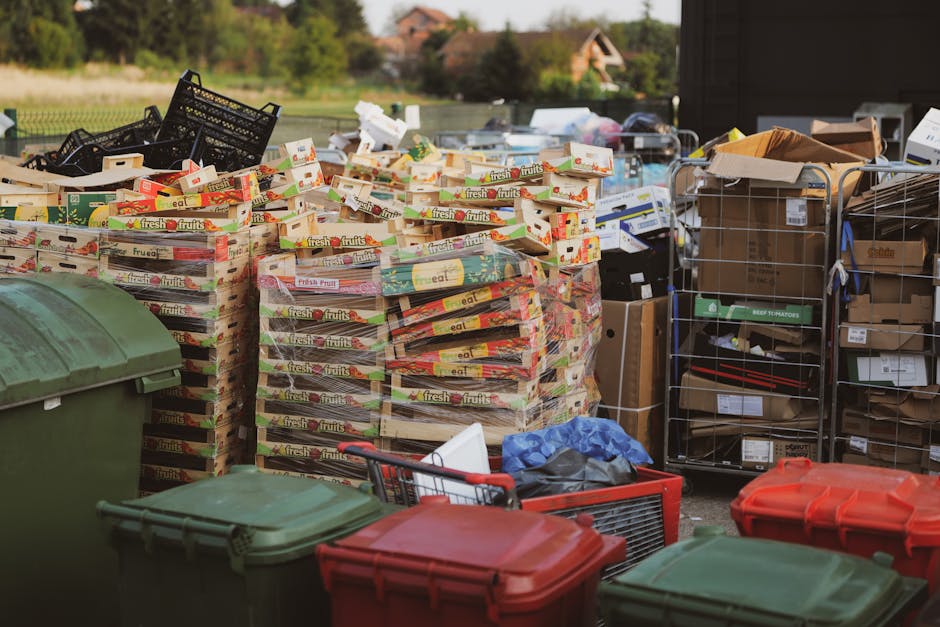
Merton Council Rules for Rubbish Disposal in Wimbledon Explained
If you live, rent, run a business, or manage a property in Wimbledon, rubbish disposal can feel oddly complicated for something so ordinary. One week you have a broken chair, the next it is a bag of garden cuttings, a bit of DIY waste, and a bulky item that absolutely will not fit in the bin. The rules matter because Merton Council expects waste to be presented, sorted, and disposed of properly, and small mistakes can quickly turn into missed collections, fly-tipping risks, or unnecessary costs.
This guide gives you a plain-English explanation of Merton Council rules for rubbish disposal in Wimbledon explained, with practical steps, common mistakes, and the kind of local detail that helps when you are standing there on collection day wondering, "Can this actually go out with the bins?" Let's make it simple.
Table of Contents
- Why Merton Council rules for rubbish disposal in Wimbledon explained Matters
- How Merton Council rules for rubbish disposal in Wimbledon explained Works
- Key Benefits and Practical Advantages
- Who This Is For and When It Makes Sense
- Step-by-Step Guidance
- Expert Tips for Better Results
- Common Mistakes to Avoid
- Tools, Resources and Recommendations
- Law, Compliance, Standards, or Best Practice
- Options, Methods, or Comparison Table
- Case Study or Real-World Example
- Practical Checklist
- Conclusion
- Frequently Asked Questions
Why Merton Council rules for rubbish disposal in Wimbledon explained Matters
Rubbish rules are not just admin. They shape how clean, safe, and usable a neighbourhood stays. In Wimbledon, where you have a mix of flats, period homes, student lets, busy high streets, gardens, and renovation projects, waste piles up in lots of different ways. A couple of wrong decisions can create a chain reaction: missed bins, cluttered pavements, complaints from neighbours, and in the worst cases, enforcement action.
The main reason these rules matter is that rubbish disposal is not a free-for-all. Council collections are designed for specific types of household waste, presented in specific containers, on specific days. Anything outside that system usually needs separate handling. That sounds obvious, but in practice people often confuse everyday rubbish with bulky waste, garden waste, DIY waste, or electrical items. They are not all treated the same, and the council usually expects you to separate them properly.
There is also a social side to it. Wimbledon streets can feel busy at the best of times, especially on collection days when the pavements are already full of cars, prams, and everyone trying to get somewhere before school runs or train times. If a bin is overfilled or an item is left where it should not be, it affects everyone else on the street. So, yes, the rules are practical. But they are also about being a decent neighbour, to be fair.
Expert summary: If you understand the difference between regular household waste, recyclables, food waste, garden waste, bulky items, and controlled waste streams, you will avoid most problems before they start.
How Merton Council rules for rubbish disposal in Wimbledon explained Works
At a basic level, the council system is built around collection, sorting, and safe disposal. You put the right waste into the right container, on the right day, and present it in a way that crews can safely collect. That may sound straightforward, but there are a few moving parts.
Household bins are usually the first line of disposal. Recyclable materials, general rubbish, and food waste are kept separate where the collection system allows it. If you mix everything together, the whole bag may end up being treated as general waste. That is one of the most common issues people run into, and it is frustrating because it is so avoidable.
Then there are items that sit outside normal bin collections. Think mattresses, wardrobes, old desks, broken white goods, or rubble from a small DIY job. These are often classed as bulky or special waste rather than regular rubbish. In many cases, you need to arrange a separate collection or use a licensed waste carrier. The same applies to certain hazardous or awkward materials. Not glamorous, but important.
If you are clearing a property in one go, especially a flat or a house full of mixed belongings, it can be easier to use a structured clearance approach instead of trying to push everything through bin collections. Services such as house clearance, flat clearance, or home clearance are often a better fit when there is simply too much to sort by hand. And if the clutter is spread across the loft, garage, or garden, the job may be more specific than it first looks.
Another practical point: the council may have rules about where and when bins are placed for collection, plus what should not be left beside them. Bags on the pavement, loose cardboard, or overflow waste are exactly the kind of details that cause headaches. Usually, the neatest solution wins.
Key Benefits and Practical Advantages
Following the rules properly saves time, money, and a fair bit of stress. That may sound a bit bland, but it is true. Most rubbish problems are not really about rubbish; they are about interruptions. You miss a collection, the bag sits for another week, the smell gets worse, and suddenly the kitchen feels a bit like a holding zone for things you do not want to think about.
Here are the main practical benefits of understanding local rubbish disposal rules:
- Fewer missed collections: If waste is sorted and presented properly, crews are more likely to take it first time.
- Less chance of complaints: Neighbours are less likely to object to bags, odours, or clutter in communal areas.
- Better recycling outcomes: Sorting materials correctly helps recyclable items stay out of general waste.
- Safer frontages and pavements: Cleaner presentation reduces trip hazards and blocked access.
- Lower risk of fly-tipping issues: Knowing the rules makes it less likely you will leave waste in the wrong place.
There is also a hidden advantage: when you know what the council will and will not take, you can make better decisions about whether to use the normal collection system or a specialist clearance service. That can be especially useful for landlords, letting agents, and anyone doing a quick turnaround between tenancies. In those cases, services like office clearance and business waste removal can be more sensible than juggling multiple trips to a recycling point.
And yes, it can save embarrassment too. Nobody wants to be the house on the road with three bags sitting out after collection because they were sorted in a rush. We have all seen it. One bag becomes two, then suddenly everyone is doing that quick sideways glance on the way past.
Who This Is For and When It Makes Sense
This guidance is useful for a wide range of people, not just homeowners. Wimbledon has a lot of mixed property types, and rubbish problems tend to appear in different ways depending on how you live and work.
You will find this especially relevant if you are:
- a homeowner clearing out a loft, garage, shed, or spare room
- a tenant moving out and trying to leave the property tidy
- a landlord or letting agent preparing for new occupants
- a small business owner dealing with packaging, old stock, or office furniture
- a homeowner after a renovation, garden refresh, or furniture replacement
- someone helping elderly relatives downsize or clear a property
It makes sense to pay close attention when the waste is mixed, bulky, heavy, or awkward. A couple of bin bags of everyday rubbish are one thing. A broken wardrobe, damp carpet, old garden waste, and a few bits of plasterboard are a different story entirely. That is where the council rules matter most, because the item type often determines the proper disposal route.
If you are dealing with just a few furnishings, the difference between reusing, disposing, and removing can be surprisingly important. For example, some people just need furniture disposal rather than a full clearance. Others may only need help with a single item or a small cluster of bulky waste. The practical choice depends on volume, condition, and how quickly you need the space back.
Truth be told, many people only look up the rules when the mess starts to feel personal. That is usually the right time to sort it properly.
Step-by-Step Guidance
If you want a simple process, use this one. It is not fancy, but it works.
- Identify the waste type. Is it household rubbish, recycling, food waste, garden waste, electrical waste, bulky furniture, or construction debris?
- Separate materials early. Keep cardboard, plastic, glass, metal, food scraps, and general waste apart where possible.
- Check whether the item fits normal collection rules. If it is too large, too heavy, or not accepted in your bin, it likely needs another route.
- Decide whether a specialist service is more efficient. For larger clear-outs, services such as waste removal or builders waste clearance can be a better fit than trying to squeeze everything into council bins.
- Present your waste correctly. Put bins where they should go, avoid blocking pavements, and do not leave loose bags where they may be torn open.
- Keep proof for commercial waste. If you are disposing of business rubbish, retain the paperwork or collection record you receive.
- Follow up quickly if something is missed. If a bin is rejected or an item is not collected, deal with it sooner rather than later so it does not become a neighbourhood issue.
For a property clearance, a good order of work is usually: sort, separate, decide what can be reused, decide what should be recycled, then remove the rest in one planned sweep. If a loft or garage is full of mixed household items, it often helps to work room by room. That sounds obvious, but it prevents the very common "I'll sort it later" pile, which, let's face it, can become a permanent feature.
People often underestimate how much waste one normal room can produce once you start moving furniture around. The dust, the packaging, the odd forgotten box of wires, the broken lamp that nobody remembered owning. It adds up fast.
Expert Tips for Better Results
After you have seen enough clear-outs, certain patterns become obvious. The better the prep, the smoother the disposal. Here are the tips that tend to make the biggest difference.
- Separate heavy and light waste. Mixed bags are awkward to lift and often lead to refusals if the contents are unsuitable.
- Flatten cardboard early. It saves space and makes recycling easier to handle.
- Keep food waste sealed. Small amounts of liquid or loose scraps can create smells very quickly, especially in warm weather.
- Do one final sweep before collection. A quick check in the hallway, kitchen, and under beds can catch missed items.
- Use a separate pile for reusable items. Good-condition furniture, appliances, and decor may be better suited for reuse or resale.
- Do not leave waste on the street "just for a minute". That is how small problems become visible problems.
When the job involves furniture, access matters a lot. Narrow stairs, top-floor flats, and shared entrances can make disposal slower than expected. That is one reason some residents choose furniture clearance when they need bulky items removed without the hassle of carrying everything themselves.
Another good habit: take photos of awkward waste before you start. Not for social media, obviously. Just for planning. It helps you decide whether a one-off collection, a larger clearance, or a phased removal is the smarter move.
Common Mistakes to Avoid
Most rubbish disposal mistakes are not dramatic. They are just small slips that snowball. Here are the ones that show up again and again.
- Putting the wrong items in the wrong bin. This is the biggest one. One wrong bag can contaminate a whole load.
- Leaving extra waste beside the bin. Crews may not take overflow bags unless the council arrangement allows it.
- Mixing DIY waste with household rubbish. Rubble, timber, and plasterboard usually need separate handling.
- Assuming everything bulky can go out on the kerb. It usually cannot. Bulky items often need a booked collection or specialist removal.
- Forgetting about communal rules. Flats and shared buildings often have stricter expectations around bin stores and access routes.
- Leaving waste too late before moving day. The last 24 hours before a move always feel short. Always.
Another common issue is poor timing. People sort waste after they have already filled the hallway with boxes and bags. By that point, disposal becomes a scramble. It is far better to work backwards from your moving date, clearance day, or renovation finish date. Even one extra day can change the whole mood of the job.
And if you are dealing with garden waste, do not assume it behaves like standard household rubbish. Branches, soil, turf, hedge trimmings, and old plant pots can need different handling. For that sort of job, garden clearance is often the cleaner solution.
Tools, Resources and Recommendations
You do not need a huge setup to dispose of waste well. A few simple tools make the job much easier.
- Sturdy sacks or boxes: useful for separating materials before collection.
- Labels or marker pens: helpful if several people are involved and items need sorting.
- Work gloves: especially useful for sharp edges, dust, or old cardboard.
- Tape measure: handy when deciding whether a bulky item will fit through a doorway or into a vehicle.
- Basic cleaning kit: a broom, dustpan, wipes, and bin liners can make the final tidy-up much easier.
When the job is bigger than a normal household sort-out, it may be worth looking at specialist removal pages that match the waste type more closely. For example, garage clearance is helpful for long-forgotten mixed items, while loft clearance suits storage spaces that have quietly filled up over the years. If it is mainly home clutter across several rooms, home clearance can be the broader option.
For homeowners or businesses comparing service choices, the most useful questions are simple ones: What type of waste is it? How much is there? How quickly does it need to go? And who is responsible for loading, lifting, and disposal? Once you answer those, the right route usually becomes clearer.
You may also want to review general company information such as about us, recycling and sustainability, and pricing and quotes if you are comparing professional removal options. It is a sensible way to check how a provider works before you book anything.
Law, Compliance, Standards, or Best Practice
Waste disposal in the UK is not just a household admin task. There are legal duties around safe handling, proper collection, and avoiding illegal dumping. If you are a homeowner, the main point is to use the right disposal route and avoid putting the wrong materials out with ordinary rubbish. If you are a business, your responsibilities are broader. You need to make sure waste is handled by suitable, authorised arrangements and that you keep the necessary records where required.
The safest approach is to follow the council's collection rules carefully, separate waste properly, and use licensed disposal routes for anything bulky, hazardous, commercial, or construction-related. That includes things like trade waste, office furniture, and renovation debris. It also includes items that seem harmless but are not accepted in normal household collections.
Best practice usually means:
- storing waste securely before collection
- keeping items dry where possible
- not overfilling bins or blocking access routes
- separating recyclable materials from general rubbish
- keeping records if you are disposing of business waste
For properties undergoing renovation, a careful approach is especially important. Waste from building or decorating work can be heavier, dustier, and more awkward than ordinary household rubbish. That is why builders waste clearance is a useful option when you need a compliant and practical way to clear the site.
Insurance and safety matter too. Lifting, carrying, and transporting waste comes with real physical risk, especially with sharp objects or heavy furniture. If you are organising a larger clearance, it is worth checking the provider's insurance and safety approach and their health and safety policy. Not glamorous again, but it matters more than people think.
Options, Methods, or Comparison Table
There is no single best disposal method for everyone. The right choice depends on the amount of waste, the type of item, and how much time you have. Here is a simple comparison that helps most Wimbledon households and small businesses choose sensibly.
| Option | Best for | Pros | Watch-outs |
|---|---|---|---|
| Normal council bin collection | Everyday household rubbish and sorted recyclables | Simple, familiar, usually the lowest effort for regular waste | Limited to accepted items and container capacity |
| Bulky or special collection | Large items like furniture, mattresses, and awkward household waste | Removes items too large for bins | May need booking, preparation, or item restrictions |
| Professional waste removal | Large clear-outs, mixed waste, time-sensitive jobs | Fast, convenient, usually less disruptive | Cost depends on volume, access, and waste type |
| Specialist clearance service | Homes, flats, garages, lofts, offices, gardens | Good for bulky or multi-room jobs | Choosing the right service type matters |
If the issue is one sofa, one bed frame, or a small amount of clutter, a targeted approach may be enough. If the property is full of mixed waste from a move, declutter, or probate clearance, a broader service is usually more efficient. That is where house clearance or office clearance can make life simpler than managing lots of separate disposal runs.
Case Study or Real-World Example
A fairly typical Wimbledon scenario goes like this. A family prepares to move out of a two-bedroom flat near a busy road. They start with a few bin bags, then uncover old boxes in the loft cupboard, a broken chair, some flat-pack packaging, and an unwanted bookcase that has to come apart before it will even fit through the doorway. By the end of the day, what looked like a minor tidy-up has become a much bigger clearance than expected.
They first separate the recyclable cardboard, bag the general waste, and set aside the bulky furniture. The bookcase is too awkward for the regular bins, and the storage cupboard waste is mixed enough that it would be annoying to split over several weeks of collections. In that case, a combined clearance approach is much more practical than trying to force everything through the council system.
The lesson is simple: rubbish often hides in layers. One room clears, then another. Once people see the real volume, the original plan tends to change. That is normal. No need to beat yourself up about it.
For a flat, especially, flat clearance can save a lot of stairwell lifting, coordination, and back-and-forth sorting. And if the main problem is just a few pieces of worn-out furniture, furniture-specific disposal may be enough instead.
Practical Checklist
Use this checklist before you put anything out for disposal or book a collection.
- Have I identified the waste type correctly?
- Have I separated recycling, food waste, and general rubbish?
- Are any items too bulky for normal bin collection?
- Do I need a specialist service for garden, loft, garage, or building waste?
- Have I kept heavy, sharp, or hazardous materials apart from general waste?
- Is the collection point clear and accessible?
- Have I checked timing so waste is not left out too early?
- Do I need records or paperwork because this is business waste?
- Have I considered reuse or donation before disposal?
- Is there enough time to deal with a missed or rejected collection if needed?
If you can tick most of those off, you are in good shape. If several answers are "not yet," that is usually a sign you should slow down and choose the disposal route more carefully.
Get a free quote today and see how much you can save.
Conclusion
The practical truth about Merton Council rules for rubbish disposal in Wimbledon explained is this: the rules are there to keep waste manageable, safe, and fair for everyone, but they only really work when residents and businesses use the right method for the right type of rubbish. Everyday bin waste is easy enough. Bulky furniture, DIY debris, garden cuttings, and mixed property clearances need a bit more thought.
If you plan ahead, separate your waste properly, and choose the most suitable disposal route, the whole process becomes much less stressful. That is especially true in Wimbledon, where space can be tight and collection day can feel a bit of a shuffle. A calm, organised approach always beats a last-minute pile-up by the front door.
And honestly, once the clutter is gone and the space feels clear again, the relief is immediate. There is a quiet satisfaction in it. Fresh air, clean floors, room to breathe. Not a bad result for a rubbish job.
Frequently Asked Questions
What counts as normal rubbish under Merton Council rules?
Normal rubbish is usually the everyday household waste that does not belong in recycling or food waste collections. Think non-recyclable packaging, sanitary waste, and other general household items that fit your regular bin system.
Can I leave extra bin bags next to my wheelie bin in Wimbledon?
Usually no, unless the council collection arrangement specifically allows it. Extra bags can be left behind, damaged, or treated as an obstruction. If you have overflow waste, it is better to sort it out before collection day.
What should I do with old furniture that will not fit in the bin?
Bulky furniture normally needs a separate disposal route. Depending on the item and condition, that might mean a bulky collection, furniture disposal, or a broader clearance service if there are several items.
Are garden cuttings treated the same as household rubbish?
No. Garden waste is usually handled separately from general rubbish. Branches, leaves, turf, and soil can all need different treatment, and it is usually worth using a garden-specific removal option if there is a lot of it.
What happens if my recycling is mixed with general waste?
If recyclables are contaminated with food, liquid, or non-recyclable items, they may be treated as general waste. That is one of the easiest ways to reduce the effectiveness of recycling, even if the mistake was accidental.
Do businesses in Wimbledon follow the same rubbish rules as homes?
Not exactly. Businesses generally have added responsibilities for commercial waste, records, and authorised disposal arrangements. The core idea is similar, but the duty of care is more serious and the paperwork side matters more.
Is builders waste allowed in normal council bins?
Usually not. Materials such as rubble, plasterboard, timber, and renovation debris normally need a specialist route. Builders waste clearance is typically the safer and more practical option.
How do I know whether I need a full house clearance?
If you are clearing multiple rooms, dealing with mixed items, or removing a significant amount of clutter, a full house clearance can be more efficient than arranging several smaller disposals. If it is only one or two items, a narrower service may be enough.
What is the main mistake people make with rubbish disposal?
The biggest mistake is assuming all waste can be handled the same way. In reality, the correct disposal route depends on the item type, size, and whether it is household, bulky, garden, commercial, or construction waste.
Can I get rid of office furniture through regular waste collection?
Usually not if it is bulky or in quantity. Office furniture often needs a dedicated removal plan, especially if there are desks, chairs, storage units, or other large items.
Is it worth using a professional waste removal service instead of waiting for council collections?
It depends on urgency and volume. If you have just a small amount of ordinary waste, council collections may be enough. If you need a space cleared quickly, or the waste is bulky or mixed, a professional service is often the more practical choice.
Where can I compare service options before booking?
It helps to look at the relevant service pages, such as waste removal, furniture disposal, garden clearance, or home clearance, and review company information like pricing and quotes, recycling and sustainability, and terms and conditions before deciding.