Sustainable Waste Solutions: Residential Collection as a Tool to Protect the Environment

Introduction
From the curb outside your home to the recycling plant and compost facility, every item you set out for collection tells a story. Done right, residential collection becomes more than a weekly routine; it becomes a powerful climate strategy, a public health safeguard, and a community-building force. This in-depth guide explains how Sustainable Waste Solutions: Residential Collection as a Tool to Protect the Environment can transform neighborhoods, reduce greenhouse gases, and create value from materials we once called "trash."
Whether you're a householder, facilities manager, housing association lead, or a local authority officer, you will find practical steps, expert tips, common pitfalls, compliance guidance, and tools to build and scale a high-performing, cost-effective residential waste system. Throughout, we use variations of the core topic--sustainable waste solutions, residential collection, environmental protection through waste services, and greener household waste management--so you can apply best practice in any setting.
Table of Contents
- Why This Topic Matters
- Key Benefits
- Step-by-Step Guidance
- Expert Tips
- Common Mistakes to Avoid
- Case Study or Real-World Example
- Tools, Resources & Recommendations
- Law, Compliance or Industry Standards (UK-focused)
- Checklist
- Conclusion with CTA
- FAQ
Why This Topic Matters
Landfills and incineration have long been the default for household waste. Yet we now know that disposal-heavy strategies waste valuable resources and fuel climate change. Organics rotting in landfill generate methane--a potent greenhouse gas--while burning mixed waste can lock in carbon emissions and destroy materials that could have been reused or recycled. High-performing residential collection systems flip this script by prioritising the waste hierarchy: prevention, reuse, recycling, recovery, and disposal as a last resort.
Across the UK, the household recycling rate hovers around the mid-40% range, and national policy targets aim to push this significantly higher by 2035. Local authorities are under pressure to decarbonise, contain costs, and meet statutory targets--while residents expect convenience and clarity. The most effective lever is often the simplest: design residential collection to support consistent, clean separation of materials at the doorstep, backed by education, right-sized containers, and feedback loops that keep contamination low.
The opportunity is substantial. According to government and industry analyses, increasing capture of paper, cardboard, metals, glass, plastics, and food waste can cut emissions, reduce procurement of virgin materials, and lower lifecycle costs. Programmes that capture food waste for anaerobic digestion (AD) produce renewable biogas and nutrient-rich digestate that replaces synthetic fertilisers. In short, Sustainable Waste Solutions: Residential Collection as a Tool to Protect the Environment is not just an environmental initiative--it's a circular economy strategy with tangible economic and social benefits.
Key Benefits
Optimising sustainable waste solutions for residential collection can deliver measurable benefits across five pillars:
- Climate impact: Diverting organics from landfill cuts methane; recycling aluminium, steel, and paper saves significant energy and emissions compared with using virgin materials.
- Resource efficiency: High-quality, source-separated materials feed domestic reprocessors, strengthening local supply chains and reducing reliance on imports.
- Public health: Cleaner streets, fewer scavenging pests, and safer handling reduce risks for both residents and crews.
- Cost control: Avoided landfill tax, increased material revenues, and route optimisation can lower total system costs over time.
- Community engagement: Transparent, easy-to-use services build trust, encourage participation, and foster pride in local environmental performance.
When you combine doorstep convenience, clear instructions, and data-driven management, residential waste collection becomes a powerful tool to protect the environment and deliver value to taxpayers and households alike.
Step-by-Step Guidance
Below is an actionable framework to design or upgrade Sustainable Waste Solutions: Residential Collection as a Tool to Protect the Environment. It's tailored to councils, housing providers, and community leaders, but households can adopt many of the practices at home.
1) Diagnose your current waste system
- Audit composition: Conduct or review a recent waste composition study to identify what's in residual waste and recycling bins. Pay particular attention to food waste and recyclables in the wrong bin.
- Map service coverage: Catalogue container types, sizes, collection frequencies, and challenging housing stock (flats, HMOs, rural lanes).
- Assess contamination: Track contamination rates by route or neighbourhood to target education and enforcement.
- Calculate costs and revenues: Include gate fees, landfill tax, processing charges, and commodity sales. Identify avoidable costs through diversion.
2) Design the service to follow the waste hierarchy
- Prevention first: Launch campaigns and tools that help residents buy smart, store food properly, and avoid single-use items. Promote repair cafes and sharing platforms.
- Reuse pathways: Integrate bulky waste reuse partners, charity shops, and community swaps; offer scheduled reuse pickups for furniture and appliances.
- High-quality recycling: Provide clear, consistent streams. For many UK councils, kerbside-sort or twin-stream systems deliver cleaner outputs than fully commingled collections.
- Separate food waste: Introduce weekly caddy collections for all households where feasible; prioritise AD or in-vessel composting, not landfill.
- Residual as last resort: Right-size residual bins and reduce frequency (e.g., fortnightly) only where recycling and food waste collections are robust.
3) Containerisation and colour coding
- Colour conventions: Align with nationally recognised signage and labelling schemes so residents see the same colours and icons at home and in public spaces.
- Right-sizing: Offer standard and larger bins for families; where storage is limited (e.g., flats), use shared bins with clear labels and lids.
- Food waste caddies: Provide lockable kitchen caddies with vented designs and liners where accepted. For outdoor, use animal-resistant containers.
- Accessibility: For step-free needs, long driveways, or residents with mobility challenges, provide assisted collections.
4) Education and behaviour change
- Simple, visual instructions: Use images of accepted items, not just words; translate materials and use plain language.
- On-pack labels: Promote label literacy so residents follow packaging instructions (e.g., which components are recyclable).
- Bin tags and feedback: Apply contamination tags and follow-up letters to coach correct behaviour; celebrate top-performing streets.
- Community partners: Engage schools, landlords, and resident associations; pilot "recycling champions" to mentor neighbours.
5) Operations and routing
- Route optimisation: Use software to reduce mileage, balance loads, and minimise overtime.
- Fleet choices: Consider electric or biomethane trucks where routes allow; maintain strict safety and maintenance schedules.
- Seasonality: Adjust for yard waste peaks, holiday packaging surges, and university move-ins.
- Data capture: Equip vehicles with RFID/telematics to log set-outs, weights, and contamination incidents.
6) Organics capture (the climate win)
- Weekly food waste: Maintain a weekly cadence to prevent odour and encourage participation.
- Complementary home solutions: Promote home composting, wormeries, or bokashi for those with gardens; ensure AD/composting treatment meets recognised standards.
- Quality control: Keep plastics and non-compostables out. Train crews to spot-check and leave guidance when contaminants appear.
7) Hard-to-handle materials
- Batteries and WEEE: Provide safe drop-off points or periodic doorstep collections for small electricals; emphasise fire risks from lithium batteries.
- Textiles: Partner with charities for doorstep bags or bring banks; keep textiles out of residuals where possible.
- Hazardous household waste: Offer periodic events or direct to civic amenity sites; never mix with kerbside streams.
8) Measure, iterate, and scale
- KPIs: Track capture rate per stream, contamination percentage, participation, missed collections, and cost per tonne.
- Rapid trials: Pilot changes on a few routes (e.g., new caddy design) and scale what works.
- Transparent reporting: Publish results and celebrate progress to build trust and momentum.
Expert Tips
- Lead with organics: Capturing food waste can unlock the largest climate and tonnage gains in residential systems.
- Right-size residuals: Smaller residual bins encourage better sorting without punitive measures; pair with robust recycling options.
- Put bins before messages: Provide the right containers and collection frequency, then educate; tools plus training beat posters alone.
- Use the power of defaults: Make recycling and food caddies the standard issue to new households so participation is automatic.
- Reward positively: Publicly thank high-performing streets, offer recognition, and share resident success stories.
- Fight contamination with clarity: Show photos of "yes/no" items; deploy bin tags with specific, kind guidance.
- Think building by building: Flats and HMOs require custom bin stores, frequent collections, and caretaker engagement.
- Design for crews: Standardise bins and lifting points; clear access reduces injuries, speeds routes, and cuts missed collections.
- Plan for weather: Vented caddies reduce odour in summer; sturdy lids and anchors prevent spillages in wind.
- Keep it consistent: Align colours and signage across home, school, and public spaces to reinforce learning.
Common Mistakes to Avoid
- Launching with unclear rules: Ambiguity fuels contamination. Provide simple, image-led guides and multilingual materials.
- Ignoring organics: Skipping food waste collections misses the biggest emissions reduction opportunity.
- Overly large residual bins: Big black bins and weekly residual collection undermine recycling efforts.
- Underestimating flats: Applying suburban bin logic to flats leads to overflowing, messy bin stores and frustrated residents.
- One-off campaigns: Behaviour change requires ongoing prompts and feedback, not a single leaflet drop.
- Compostable confusion: Allowing non-certified "compostable" plastics can contaminate organics. Only accept materials compatible with your facility.
- No feedback loop: Without route-level data and resident feedback, problems remain hidden.
- Skipping crew training: Crews are frontline educators; equip them to identify, tag, and report issues consistently.
Case Study or Real-World Example
The following composite case synthesises outcomes from multiple UK local authority programmes and industry reports to illustrate what success can look like. While details vary by area, the operational levers are consistent.
"Southshire Borough" - from middling to model performance
Context: A mixed urban-rural council with 95,000 households, a household recycling rate in the low 40s, rising disposal costs, and frequent contamination in commingled recycling.
Actions:
- Shifted to twin-stream recycling (paper/card separate from containers) to boost material quality.
- Introduced weekly food waste caddies for all single-family homes and most low-rise flats; offered assisted collections.
- Right-sized residual bins from 240L to 180L and moved to fortnightly collections, after recycling and food were fully operational.
- Launched a multilingual education campaign with photo-based sorting guides and on-pack label explanations.
- Equipped trucks with RFID and scales to track set-outs and weights; used route analytics to target coaching.
- Partnered with reuse charities for bulky waste, prioritising repair and resale.
Results after 18 months:
- Recycling rate increased by ~10 percentage points.
- Food waste capture exceeded 3 kg per household per week on participating routes.
- Contamination fell from 18% to under 8% in recycling streams.
- Net system costs stabilised despite higher labour inputs, due to avoided landfill tax and improved commodity revenues.
- Resident satisfaction improved, especially where assisted collections and better bin stores were provided.
Takeaway: By prioritising organics and material quality, strengthening resident education, and deploying data-driven operations, Sustainable Waste Solutions: Residential Collection as a Tool to Protect the Environment can deliver measurable environmental and financial gains.
Tools, Resources & Recommendations
Leverage these tools and resources to implement and optimise your programme:
- Route planning & analytics: Software for route optimisation, RFID tagging, set-out tracking, and contamination reporting reduces mileage and improves service quality.
- Container solutions: Vented kitchen caddies, lockable outdoor bins, wheeled containers with standardised lifting points, and signage with icons and colour coding.
- Education assets: Photo-rich sorting guides, multilingual leaflets, fridge magnets, bin stickers, and short videos demonstrating correct sorting.
- On-pack labelling schemes: Encourage residents to follow packaging labels and to separate components (e.g., bottle caps, film).
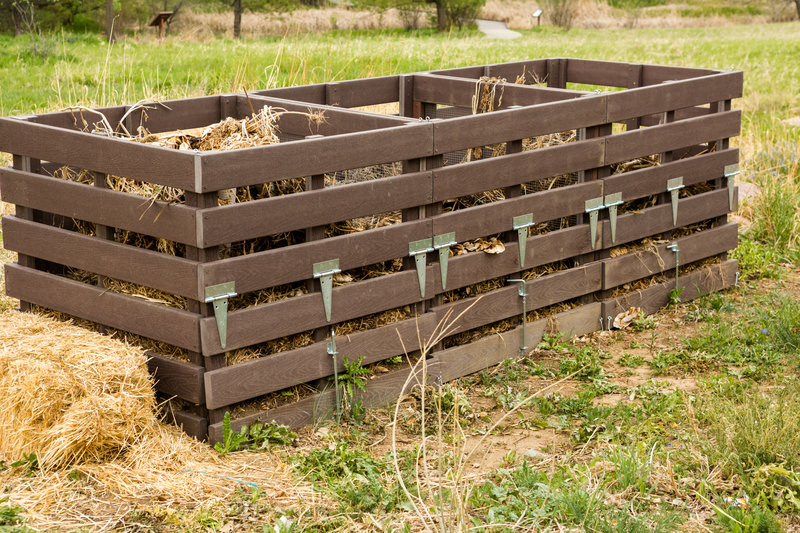
- Home organics systems: Compost bins, wormeries, or bokashi for those with gardens or limited outdoor space.
- Community reuse platforms: Promote repair events, swap shops, and donation networks for furniture, textiles, and appliances.
- Carbon and impact calculators: Use waste carbon metrics to show emissions savings from improved capture and reduced landfill.
- Health & safety: Crew PPE, safe lifting training, sharps protocols, and battery hazard guidance, especially regarding lithium-ion fires.
Law, Compliance or Industry Standards (UK-focused if applicable)
A robust residential collection service must comply with UK law and recognised standards. While requirements evolve, the following are core references:
- Environmental Protection Act 1990 (EPA 1990): Establishes duties for waste collection and disposal authorities and general environmental protections.
- Waste (England and Wales) Regulations 2011 (as amended): Transpose the EU Waste Framework Directive, including the waste hierarchy and requirements for separate collection where "technically, environmentally and economically practicable."
- Duty of Care (Environmental Protection Act and associated regulations): Requires organisations handling waste to prevent escape, transfer only to authorised persons, and complete proper documentation.
- Landfill Tax: Financial driver to divert waste from landfill; impacts local authority budgets and makes diversion strategies cost-effective.
- Extended Producer Responsibility (EPR) for packaging (UK): Phasing in reforms that shift more of the cost of packaging waste management to producers and incentivise design for recyclability.
- Deposit Return Schemes (DRS): Scotland has legislated for DRS; broader UK rollout has been under policy development. DRS aims to increase return rates for beverage containers.
- Quality protocols and standards: PAS 100 for compost quality; PAS 110 for anaerobic digestate; BS EN 13432 for industrially compostable packaging. Aligning collected materials with end-market standards protects quality and outlets.
- Health & safety law: Employers must protect crews and the public, covering vehicle operations, manual handling, route risk assessments, and sharps/battery hazards.
Authorities should also keep pace with devolved nation policies (e.g., Wales' leadership on kerbside separation and high recycling rates), national Resources and Waste Strategy targets, and forthcoming consistency requirements for household collections.
Checklist
Use this concise checklist to pressure-test your plan for Sustainable Waste Solutions: Residential Collection as a Tool to Protect the Environment:
- Have you completed a recent waste composition study?
- Are recycling streams simple, consistent, and clearly labelled?
- Is weekly food waste collection in place or planned?
- Are residual bins right-sized and collection frequency aligned with diversion goals?
- Do flats and HMOs have tailored bin stores and service levels?
- Is a comprehensive education plan (visual, multilingual) ready?
- Will crews use bin tags and provide resident feedback?
- Are route optimisation and data capture tools deployed?
- Do you have safe systems for batteries, WEEE, and hazardous household waste?
- Are end-markets secured with quality standards (e.g., PAS 100/110)?
- Is reporting transparent, with clear KPIs and resident updates?
Conclusion with CTA
Greener neighbourhoods are built one set-out at a time. By aligning container design, collection schedules, resident education, and data-driven operations with the waste hierarchy, residential collection evolves into a high-impact climate and resource strategy. Communities that prioritise organics, improve material quality, and engage residents see cleaner streets, lower emissions, and better value for money.
Put simply, Sustainable Waste Solutions: Residential Collection as a Tool to Protect the Environment delivers where it matters most: protecting the planet while making daily life easier. The steps in this guide give you a practical roadmap to start now and scale quickly.
Get a free quote today and see how much you can save.
FAQ
What does "sustainable residential waste collection" actually mean?
It means designing household waste services to follow the waste hierarchy: prevent waste first, then maximise reuse and recycling, capture food waste for composting/AD, and minimise residual disposal. The service is convenient for residents, safe for crews, and aligned with end-market quality standards.
How does collecting food waste protect the environment?
Separating food waste keeps it out of landfill, where it would generate methane. Instead, it can be turned into renewable energy (biogas) and nutrient-rich digestate or compost, displacing fossil fuels and synthetic fertilisers.
Is kerbside-sort better than commingled recycling?
There's no one-size-fits-all answer. Kerbside-sort and twin-stream systems tend to yield lower contamination and higher-quality materials, which command better end-market value. Fully commingled can offer convenience but often requires more sorting downstream and may see higher contamination.
How can we reduce recycling contamination at home?
Use simple, image-led guides; follow on-pack labels; rinse containers lightly; keep food and liquids out of recycling; and use bin tags or app reminders. Consistent colours and icons across bins also help.
What about "compostable" plastics in food waste bins?
Only use items certified to relevant standards and accepted by your local facility. Many plants can't process certain compostable plastics, so check local guidance. When in doubt, keep non-food items out of the food waste caddy.
How do we handle batteries and small electronics safely?
Never place them in household bins. Use dedicated drop-off points or special collections. Damaged or lithium batteries can cause fires in trucks and facilities--store them in a dry container and recycle correctly.
We live in flats--what's the best approach?
Provide shared bins with clear signage, frequent collections, and well-lit, tidy bin stores. Work with building managers and caretakers on education and contamination control. Smaller, more frequent pickups can reduce overflow and odour.
Does reducing the size of residual bins actually increase recycling?
Often yes, when paired with convenient recycling and food waste services. Smaller residual capacity nudges households to sort correctly without punitive measures.
What's the most impactful change a council can make quickly?
Introduce or strengthen weekly food waste collections and a targeted anti-contamination campaign with bin tags and feedback. These changes commonly deliver immediate tonnage and quality gains.
How can residents keep food caddies odour-free?
Use vented caddies and liners where accepted, drain liquids, wrap scraps in newspaper, and empty frequently. A sprinkle of bicarbonate of soda can help neutralise odours.
Are textile and bulky item collections part of sustainable solutions?
Yes. Prioritising reuse through charity partnerships and scheduled pickups keeps valuable items in use longer and reduces disposal costs.
How do we measure success?
Track participation rates, capture per household, contamination levels, cost per tonne, missed collections, and greenhouse gas savings. Publish results to build trust and encourage continued participation.
What upcoming UK policies should we watch?
Extended Producer Responsibility reforms for packaging, potential deposit return schemes, and consistent household collection requirements will continue to shape service design and funding.
Can residential collection really make a big climate difference?
Yes. Diverting organics from landfill and recycling high-impact materials (like aluminium) deliver significant emissions savings. Scaled across a community, these actions add up to a meaningful climate contribution.
How do I get started if my area has limited services?
Begin at home: reduce and reuse, set up clear sorting stations, start a home compost or wormery if feasible, and engage neighbours or your council to request improved collections based on community demand.